Curious about the plants you’re seeing around Washington & Lee’s campus? Many of them, at this site specifically, are native plants! Native plants are species that evolved in this region and naturally occur here, making them well-suited to thrive. Read on to learn about their many benefits and to explore this site’s native species!
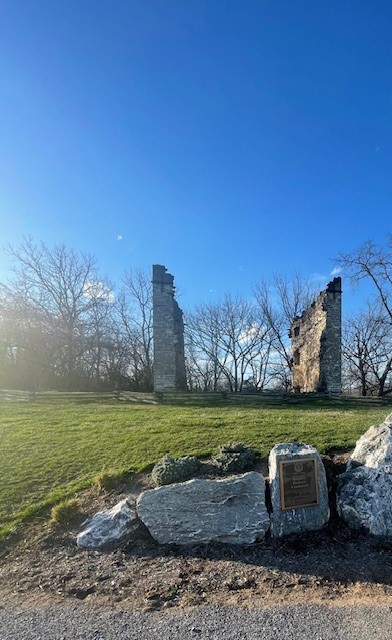

Located behind Third Year Housing, back campus is a 300-acre area of forest and field home to an extensive trail system, gazebo, disc golf course, and more. Under our Sustainable Design Guidelines, W&L’s landscaping weighs both aesthetic and ecological benefits, which extends to back campus management, demonstrating our motto of being “not unmindful of the future.”
Our grounds crew achieves this through creating strong, healthy landscapes by choosing well-suited plants based on light, soil characteristics, and moisture. They believe that finding a suitable, design-appropriate native plant, when possible, provides optimal results. Recently, the Sustainable Landscaping and Back Campus Management Committee was formed help W&L implement ideas such as naturalized, low maintenance areas or decreased use of chemical inputs. Choosing native species is a big piece of accomplishing this!
One example from across campus is the wildflower plantings, all of which are native! Here they are found along the Liberty Hall wood line, but you can find them elsewhere too. Read on to explore the benefits and discover the native species at this site!
Increase of biodiversity: Diversity of plant species supports ecosystems by creating resiliency to environmental disturbances. When one species dies out, biodiversity protects balance through another species filling their role. Without biodiversity, species loss frequently causes a chain of events, called a trophic cascade.
Because native plants coevolved with local species, they’ve formed special relationships to support each other, meaning more biodiversity!
Pollinator Support: Pollinators facilitate the reproduction and spread of many plants, including agricultural crops, and they love wildflowers. A few examples are bees, butterflies, hummingbirds, and even bats! Flowers provide them nectar, and they then transfer pollen from plant to plant, allowing them to reproduce.
Native plants attract a wide variety of pollinators because of their special co-evolved relationships. Without these native plants, specialist pollinators decrease, and the ecosystem is threatened.
Less Maintenance: Because these wildflowers evolved in this region, they are specially equipped to thrive due to protection from pests, resourcefulness of water and nutrients, and familiarity with climate. Once established, they require little maintenance, meaning less time and money spent on watering, applying fertilizers, or other chemical inputs. By planting native species, our campus can have unique, beautiful landscapes without as much hassle.
Not only does this have financial benefits, but it also protects the surrounding ecosystem from runoff and harmful impacts on insect populations.
Continue to explore the campus’s native wildflower species, or visit the homepage to see other sites, learn more about native plants, and get inspiration for your own planting project.
A Few of the Native Plants at This Site
Click on a species’ common name to learn more about it. Depending on season, some species may be more or less difficult to identify due to their blooming/fruiting period.
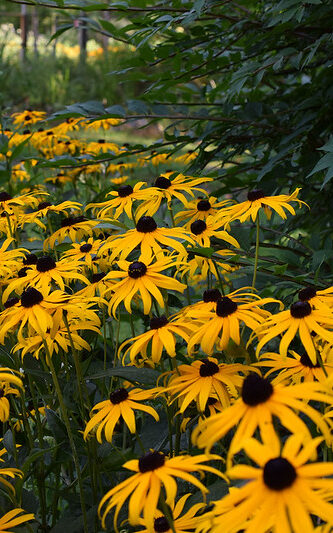
Black-eyed Susan, Rudbeckia hirta
These classic, golden flowers are drought-tolerant and are preferred by native bees, butterflies, and other pollinators along with caterpillars

Partridge Pea, Chamaecrista fasciculata
This unique foliage is accompanied by yellow flowers, which react to touch, and support a number of birds and pollinator species
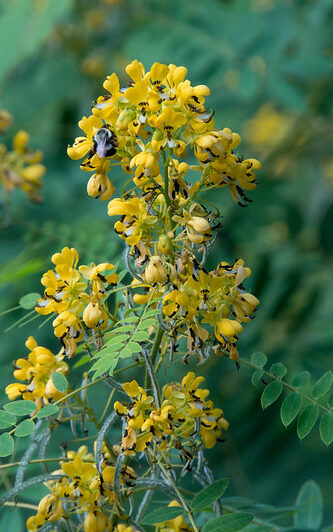
Wild Senna, Senna hebecarpa
These clumped yellow flowers are surrounded by an attractive foliage display, can grow to be 7 feet, and are preferred by various pollinators
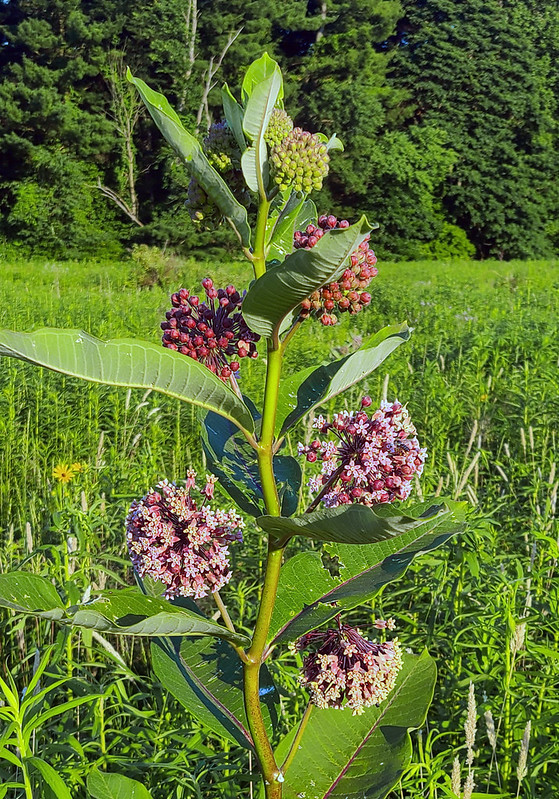
Common Milkweed, Asclepias syriaca
These fragrant flowers are favored for the nectar they provide pollinators, as hosts to larval butterflies, moths, and bees, and are resistant to deer and rabbits
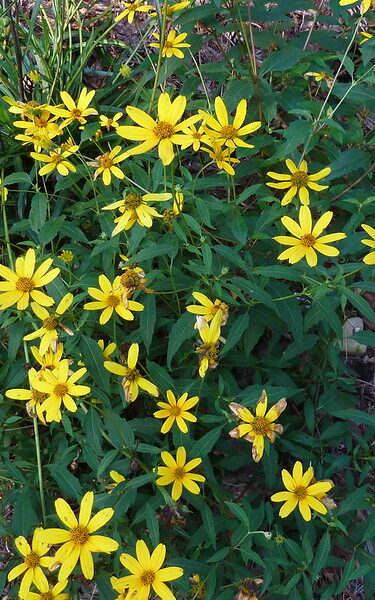
Oxeye Sunflower, Heliopsis helianthoides
These bright, persistent late-bloomers resist deer and rabbits while attracting bees, butterflies, and hummingbirds, and supporting songbirds with their seeds

New England Aster, Symphyotrichum novae-angliae
These saturated, purple late-bloomers support all kinds of pollinators, migrating Monarchs, birds, mammals, and caterpillars, and can reseed and often outcompete nonnative plants
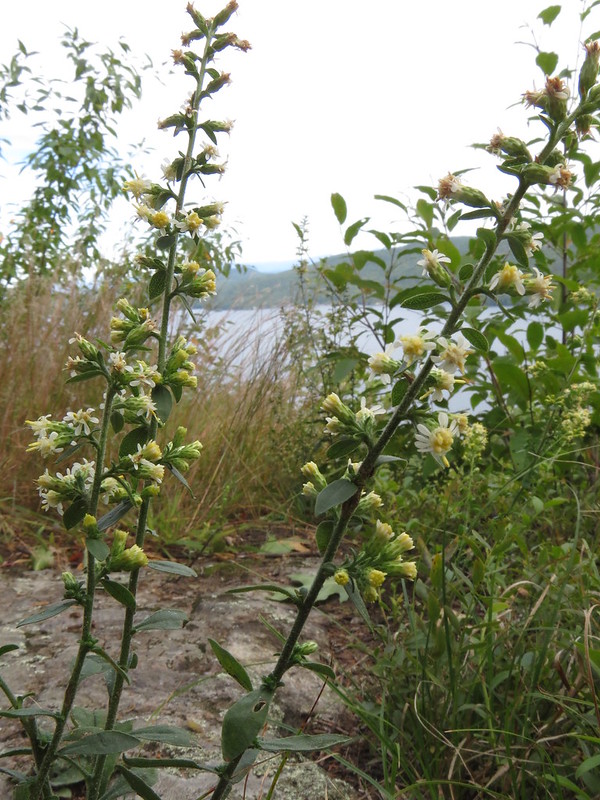
White Goldenrod, Solidago bicolor
These small, white-petaled flowers are drought-tolerant and deer-resistant, and are a good source of nectar for various pollinators
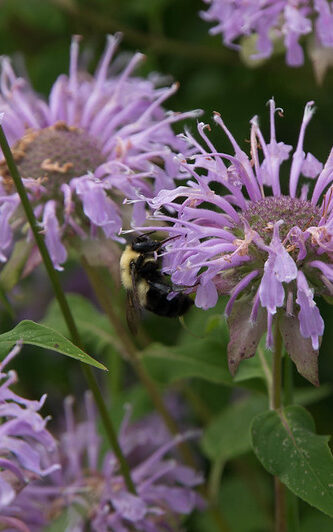
Wild Bergamot, Monarda fistulosa
These lavender, clumping perennials attract hummingbirds, bees, and butterflies, and display seed heads during winter months
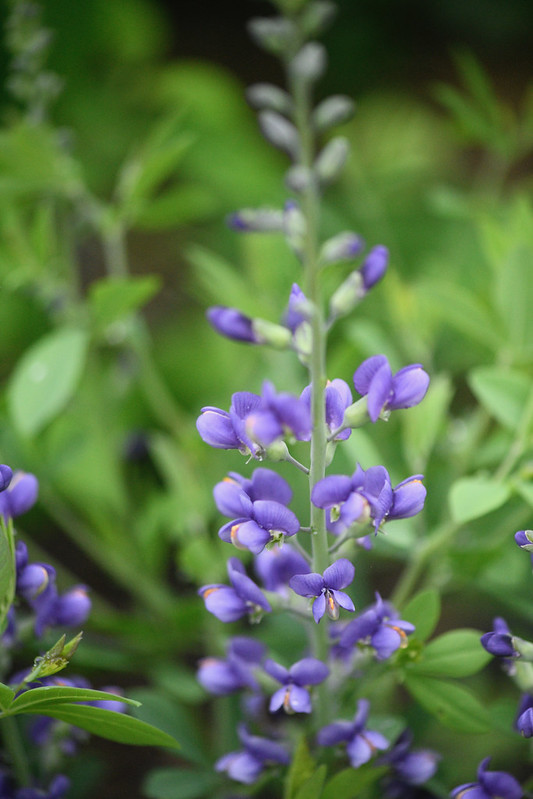
Blue Wild Indigo, Baptisia australis
These nitrogen-fixing flowers transform from blueish to purple to seedpods across seasons, attracting birds and pollinators and hosting larval stages of many butterfly species
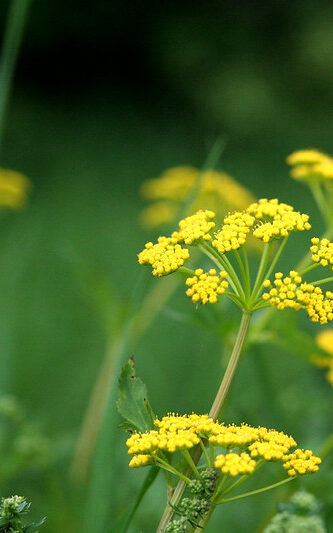
Golden Alexanders, Zizia aurea
These adaptable, dainty flowers make good cut flowers, benefit butterflies and specialized bees, and display long blooms that regenerate by reseeding
Most of the species information is from The Virginia Native Plant Society website, which offers free, extensive pdfs for each region of Virginia, highlighting about 100 native species (there are many more!) and helpful additional information for planning personal projects. If you aren’t from Virginia, you can search for similar resources in your state! To explore other resources and advice, navigate to the Guidance page.