Curious about the plants you’re seeing around Washington & Lee’s campus? Many of them, at this site specifically, are native plants! Native plants are species that evolved in this region and naturally occur here, making them well-suited to thrive. Read on to learn how these plants help the garden to flourish and explore this site’s native species down below!
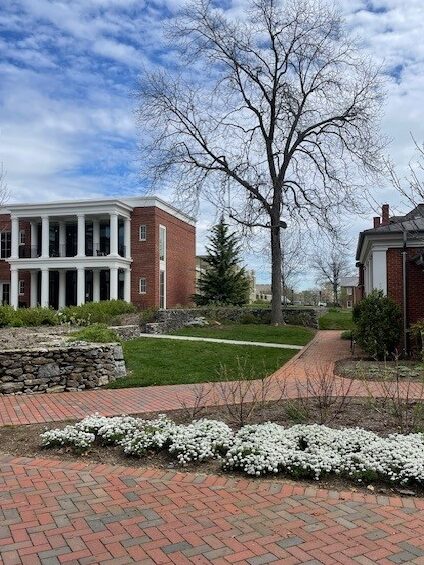
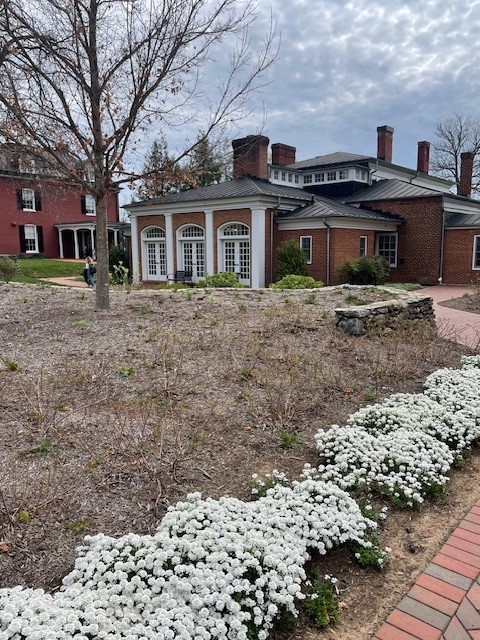
As a warm welcome to prospective students, our Admissions Building sits next to a bed of 80% native species. Under the University’s Sustainable Design Guidelines, W&L’s landscaping projects now weigh both aesthetic and ecological factors in the planning phase, practicing our motto of being “not unmindful of the future.”
Our grounds crew achieves this through creating strong, healthy landscapes by choosing well-suited plants based on light, soil characteristics, and moisture. They believe that finding a suitable, design-appropriate native plant, when possible, provides optimal results. Recently, the Sustainable Landscaping and Back Campus Management Committee was formed help W&L implement ideas such as naturalized, low maintenance areas or decreased use of chemical inputs. Choosing native species is a big piece of accomplishing this!
One example is this plot, which features several native plants. Read on to explore their benefits and see what species are here!
Why plant native species?
Biodiversity: Diversity of plant species supports ecosystems by creating resiliency to environmental disturbances. When one species dies out, biodiversity protects balance through another species filling their role. Without biodiversity, species loss frequently causes a chain of events, called a trophic cascade.
Because native plants coevolved with local species, they’ve formed special relationships to support each other, meaning more biodiversity!
Low maintenance: Because these species evolved in this region, they are specially equipped to thrive due to protection from pests, resourcefulness of water and nutrients, and familiarity with climate. Once established, they require little maintenance, meaning less time and money spent on watering, applying fertilizers, or other chemical inputs. By planting native species, our campus can have unique, beautiful landscapes without as much hassle.
Not only does this have financial benefits, but it also protects the surrounding ecosystem from runoff and harmful impacts on insect populations.
Continue to explore the Admissions Plot’s native species, or visit the homepage to see other sites, learn more about native plants, and get inspiration for your own planting project.
A Few of the Native Plants at This Site
Click on a species’ common name to learn more about it. Depending on season, some species may be more or less difficult to identify due to their blooming/fruiting period.
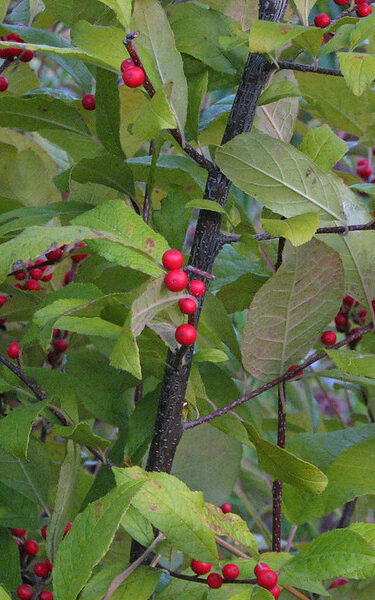
Common Winterberry, Ilex verticillata
These shrubs display white flowers during spring and red fruits in the colder months, which feed 48 different bird species and supports pollinators
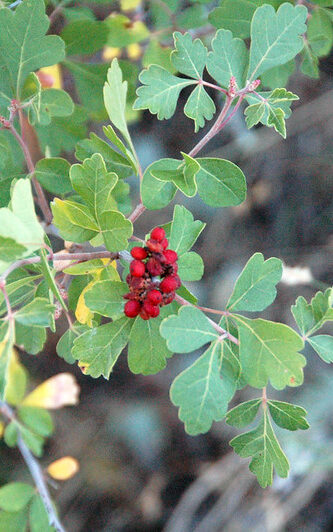
Fragrant Sumac, Rhus aromatica
This shrub has attractive foliage which is accented by spring flowers and red winter fruits, and is able to prevent erosion while supporting pollinators such as hummingbirds and Swallowtail Butterflies

Inkberry, Ilex glabra
This spring-flowering shrub can grow to a 10 foot height, is a part of the holly family, and attract pollinators, birds, and mammals with its white flowers and red berries
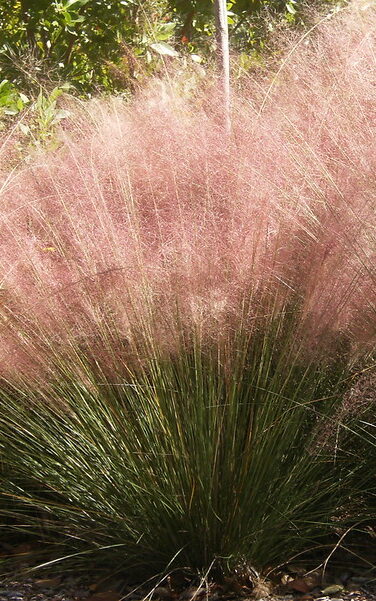
Pink Hair Grass, Muhlenbergia capillaris
This unique grass species provides a fun pop of pink into the fall, is highly resilient and long-lived, and deer-resistant
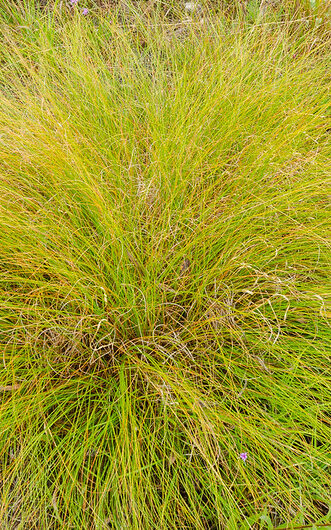
Prairie Dropseed, Sporobolus heterolepis
This rounded, luscious grass transforms in color across seasons and supports birds by providing seed and nesting material
Most of the species information is from The Virginia Native Plant Society website, which offers free, extensive pdfs for each region of Virginia, highlighting about 100 native species (there are many more!) and helpful additional information for planning personal projects. If you aren’t from Virginia, you can search for similar resources in your state! To explore other resources and advice, navigate to the Guidance page.