Chamaecrista fasciculata

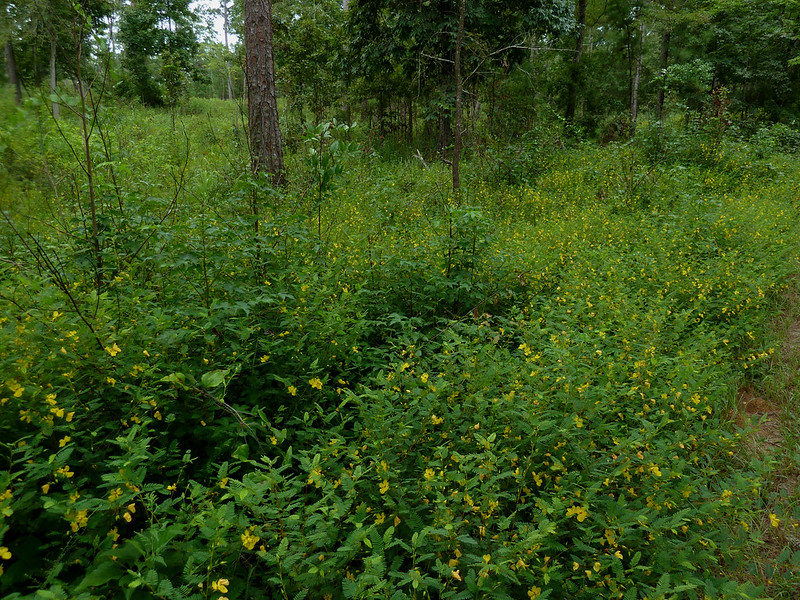
Ecological Benefits: Seed pods feed various bird species, attracts several pollinators such as bees, butterflies, and ants; host plant to various larval stages of butterflies
Bloom period: summer-mid fall
Best Areas for Planting: low-medium moisture, full sun-part shade; well-drained soils of clay, clay loam, sandy loam, and sand
Natural Habitat: can be found in open woodlands, prairie, plains, meadows, pastures, and savannas
Most of the species information is from The Virginia Native Plant Society website, which offers free, extensive pdfs for each region of Virginia, highlighting about 100 native species (there are many more!) and helpful additional information for planning personal projects. If you aren’t from Virginia, you can search for similar resources in your state! To explore other resources and advice, navigate to the guidance page.
Visit the homepage to explore other sites and learn more about native plants.