Curious about the plants you’re seeing around Washington & Lee’s campus? Many of them, at this site specifically, are native plants! Native plants are species that evolved in this region and naturally occur here, making them well-suited to thrive. Read on to learn how these plants help the garden to flourish and explore this site’s native species down below!
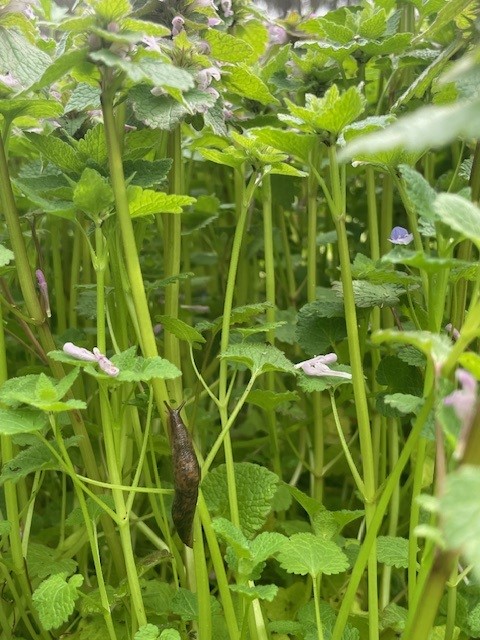
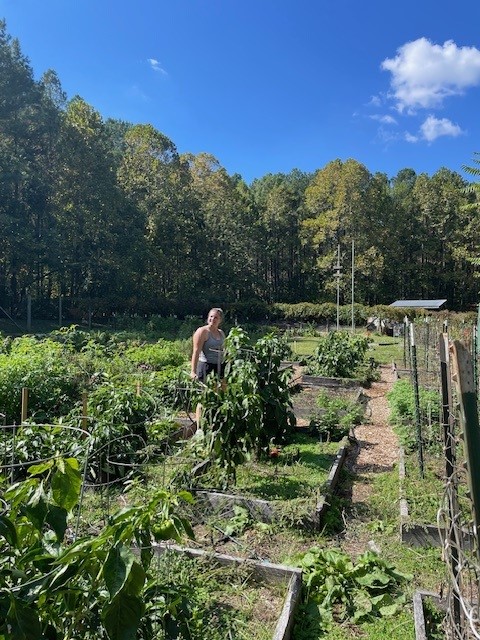
The Campus Garden, managed by the Campus Garden Manager, provides fresh produce and flowers to campus dining venues, Campus Kitchen, and the Student Food Pantry. Student interns and volunteers engage with this mission through hands-on work. Native plants are integral to the success of the garden in several ways, such as:
Increased diversity of insects: Native plants attract a wide range of beneficial insects due to the special relationships formed during coevolution. These insects provide natural pest control and increase pollination, helping each plant and its neighbors to thrive and reproduce. Natural pest control eliminates the need for harmful, expensive pesticide use.
Less maintenance: Because they have evolved here, these plants are acclimated to the environment, allowing them to survive with less resources, such as water and fertilizers. This means less time and money are required to keep the garden lush and healthy!
Better soil health: Many native plants have deeper root systems, which hold the soil and prevent erosion. Erosion decreases the health of the garden’s soil and causes pollution to nearby streams. Additionally, when these roots die, they degrade and provide nutrients back to the soil, fueling future growth and improving soil quality.
In addition to these benefits, many of the garden’s native species are edible or medicinal, so they can also be harvested and enjoyed!
Continue to explore the garden’s native species, or visit the homepage to see other sites, learn more about native plants, and get inspiration for your own planting project.
A Few of the Native Plants at This Site
Click on a species’ common name to learn more about it. Depending on season, some species may be more or less difficult to identify due to their blooming/fruiting period.
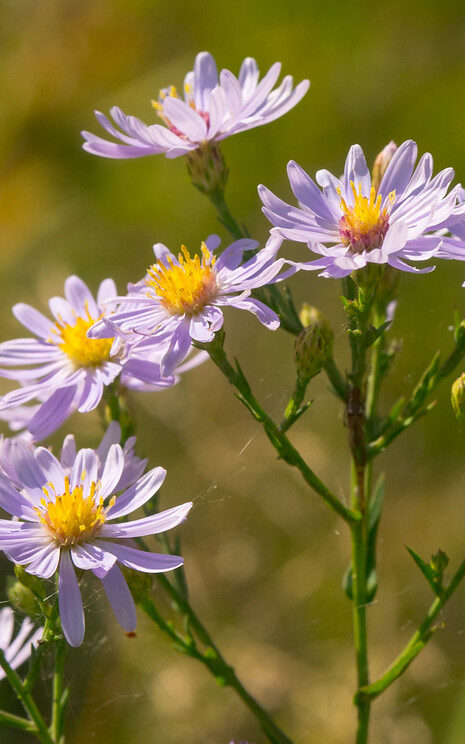
Smooth Aster, Symphyotrichum laeve
Violet and quaint, these flowers support bees, songbirds, small mammals, Pearl Crescent Butterflies, and more
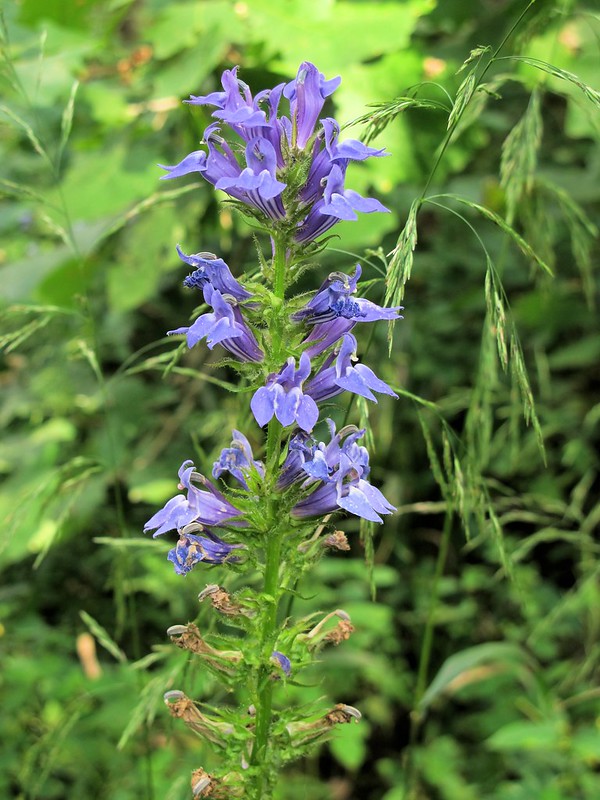
Great Blue Lobelia, Lobelia siphilitica
Late bloomers, these deer-resistant flowers attract bees and moths to their moist habitats
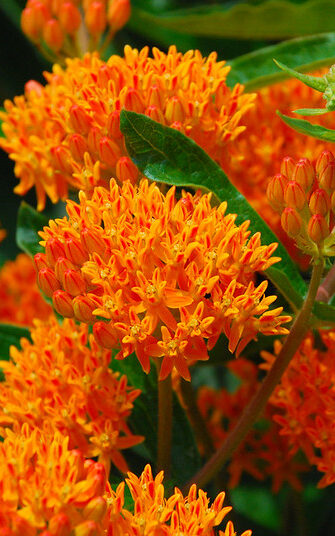
Butterfly Milkweed, Asclepias tuberosa
Bright and warm, these deer/rabbit-resistant flowers provide habitat for Monarch butterflies, bees, and hummingbirds

Cardinal Flower, Lobelia cardinalis
These vibrant, deer-resistant flowers attract the Ruby Throated Hummingbird and several other pollinators, and can be cut for display
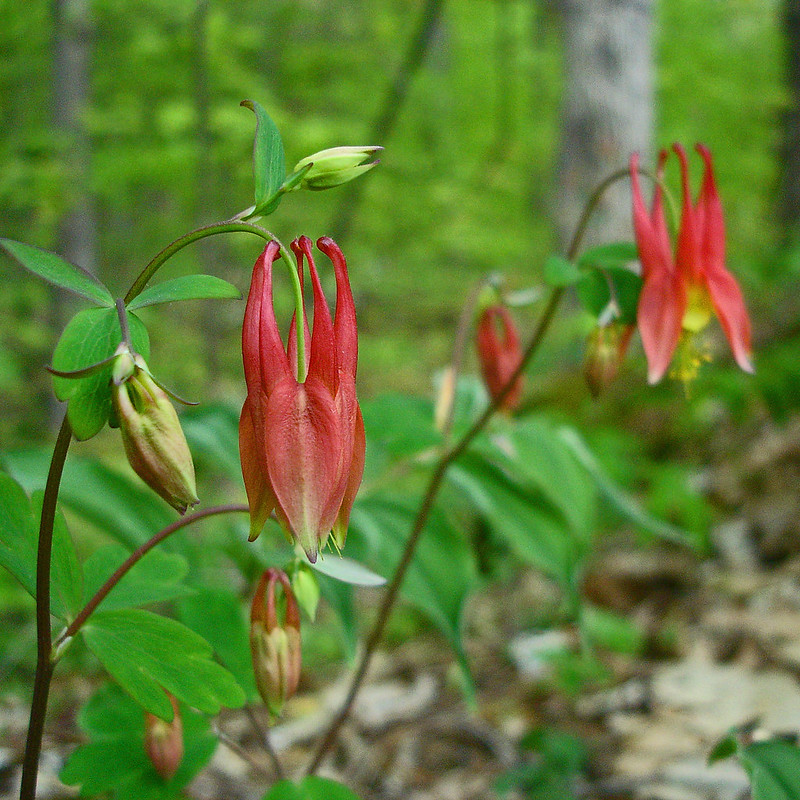
Wild Columbine, Aquilegia canadensis
These unique flowers attract a variety of pollinators, including hawk moths. They can reseed, and birds will also consume seeds.
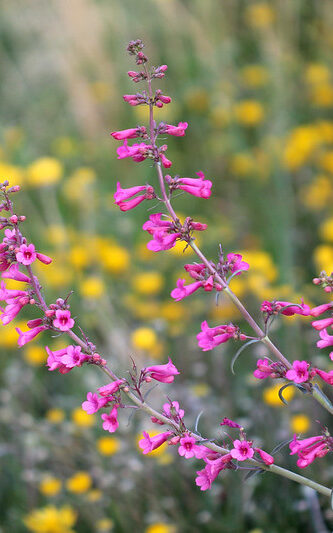
Beardtongues, Penstemon
These bell-shaped species provide habitat for the Common Buckeye Butterfly, attract pollinators, and add a unique accent to any bed
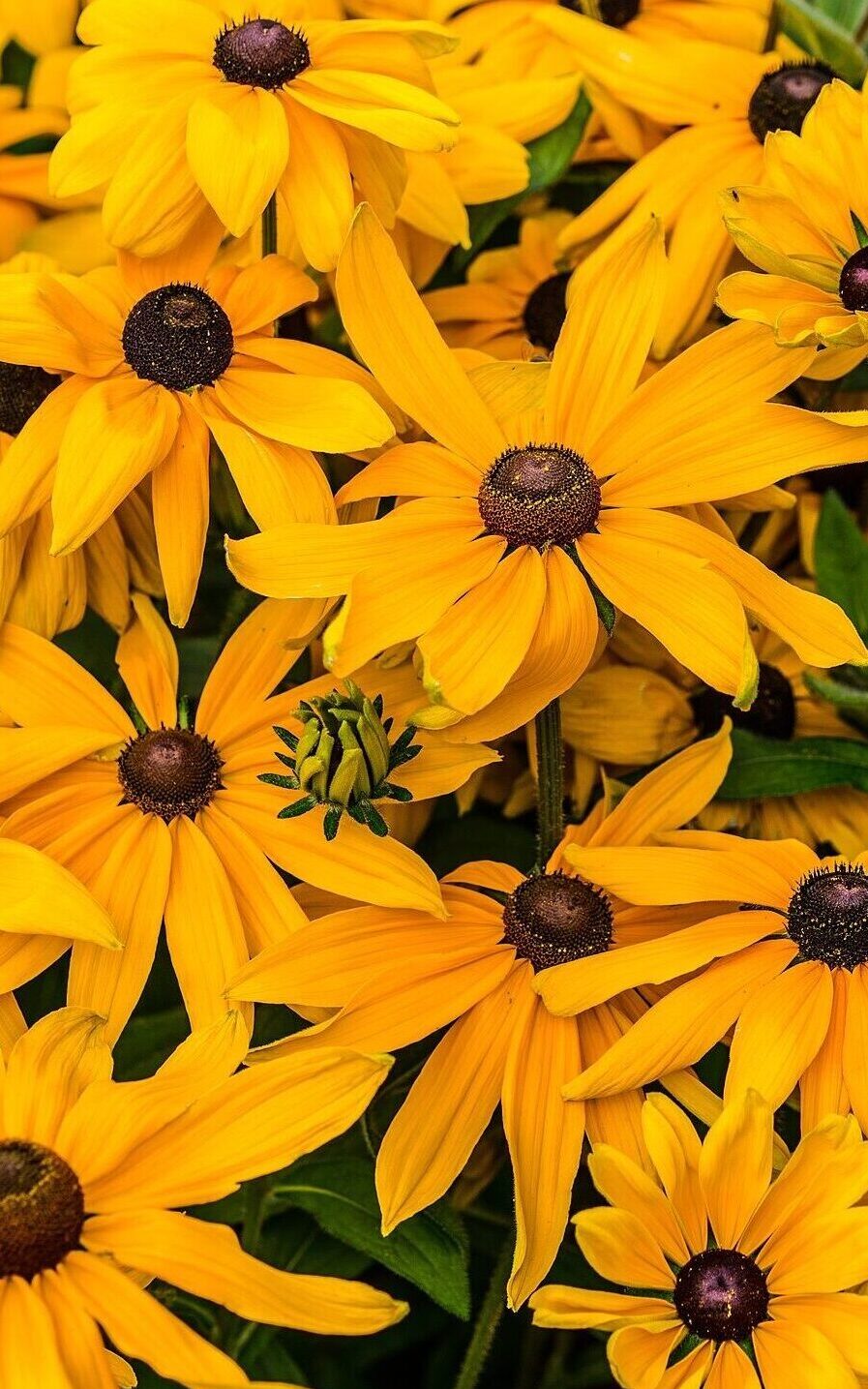
Black-Eyed Susan, Rudbeckia hirta
These bright, classic flowers are a favorite of native insects, become drought-tolerant when mature, and are beautiful for display
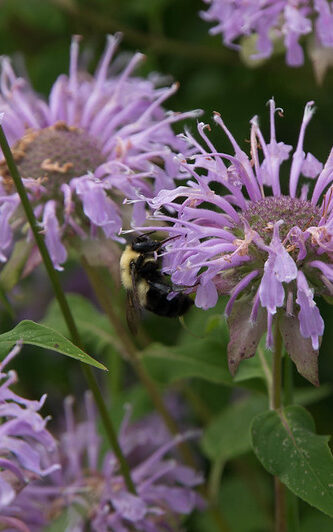
Wild Bergamot, Monarda fistulosa
These lavender, perennial flowers are loved by bees, as well as hummingbirds and butterflies, and have a decent height and spread.
Most of the species information is from The Virginia Native Plant Society website, which offers free, extensive pdfs for each region of Virginia, highlighting about 100 native species (there are many more!) and helpful additional information for planning personal projects. If you aren’t from Virginia, you can search for similar resources in your state! To explore other resources and advice, navigate to the guidance page.