Curious about the plants you’re seeing around Washington & Lee’s campus? Many of them, at this site specifically, are native plants! Native plants are species that evolved in this region and naturally occur here, making them well-suited to thrive. Read on to learn how these plants help the garden to flourish and explore this site’s native species down below!
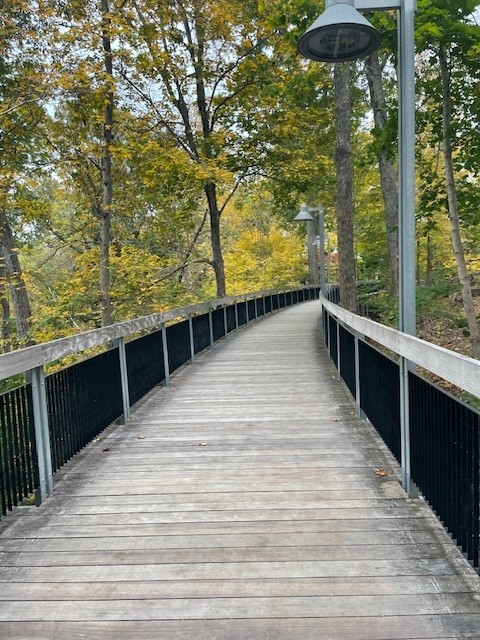
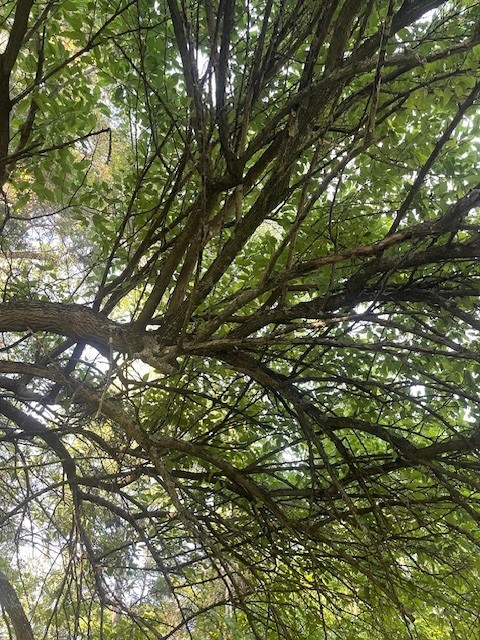
Across W&L’s campus, you will notice all kinds of trees branching overhead. Planting native tree species that will thrive long-term help to invest in the future of our campus. Under the University’s Sustainable Design Guidelines, W&L’s landscaping projects now weigh both aesthetic and ecological factors in the planning phase, practicing our motto of being “not unmindful of the future.”
Our grounds crew achieves this through creating strong, healthy landscapes by choosing well-suited plants based on light, soil characteristics, and moisture. They believe that finding a suitable, design-appropriate native plant, when possible, provides optimal results. Recently, the Sustainable Landscaping and Back Campus Management Committee was formed help W&L implement ideas such as naturalized, low maintenance areas or decreased use of chemical inputs. Choosing native species is a big piece of accomplishing this!
There are many native tree species scattered across campus, keep an eye out for them! Read on to explore the benefits and discover other native tree species around W&L.
Why plant native trees?
Lower maintenance: Because these native tree species have evolved in this region, they are specially equipped to survive in this environment. This means protection from pests, resourcefulness of water and nutrients, and familiarity with climate. Therefore, once established they require little maintenance, which translates to less time and money spent on watering, applying fertilizers, or other chemical inputs.
Not only does this help financially, but it also protects streams from runoff and decreases harm to insects. By planting native species, our campus can have long-living, healthy canopies without as much hassle as nonnative trees.
Increased Biodiversity: Diversity of tree species supports ecosystems by creating resiliency to environmental disturbances. When one species dies out, biodiversity protects balance through another species filling their role. Without biodiversity, species loss frequently causes a chain of events, called a trophic cascade.
Because native trees coevolved with local species, they’ve formed special relationships to support each other, meaning more biodiversity!
Continue to explore W&L’s native tree species, or visit the homepage to see other sites, learn more about native plants, and get inspiration for your own planting project.
A Few of the Native Trees Around Campus
Click on a species’ common name to learn more about it. Depending on season, some species may be more or less difficult to identify due to their blooming/fruiting period.
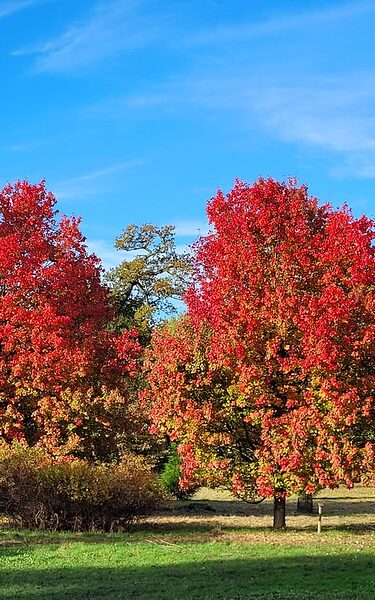
Red Maple, Acer rubrum
These striking, moderate-sized trees flower in the spring-to-summer, attracting pollinators, and burst into their bright red in the fall

River Birch, Betula nigra
This medium-sized tree flowers in spring and produces a sap, providing seed to many birds and hosting butterfly larvae
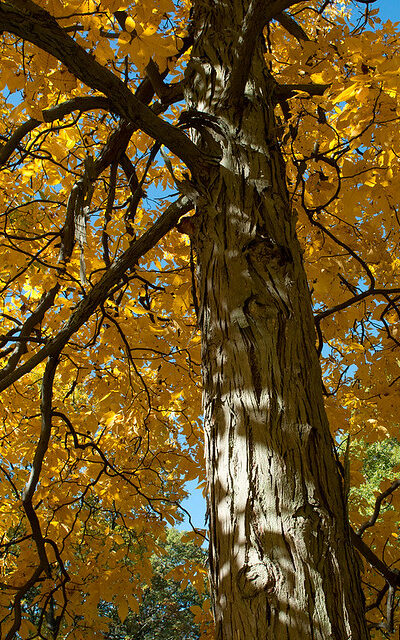
Shagbark Hickory, Carya ovata
This whimsical trees produce nuts which feed squirrels, chipmunks, and black bears, and act as a host to butterflies and moths, in addition to being resistant to both deer and Black Walnut

Hackberry, Celtis occidentalis
These large, highly-tolerant trees grow dark purple fruits that provide for small mammals and birds, which nest in its canopy
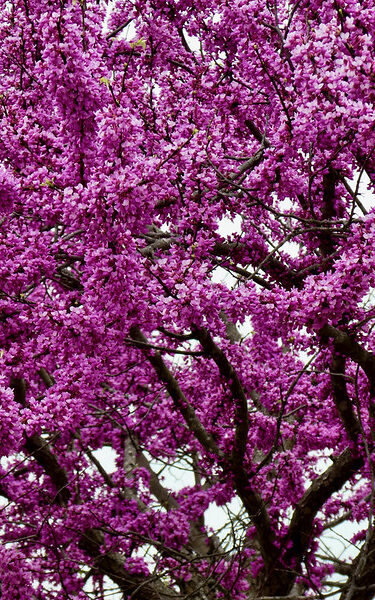
Eastern Redbud, Cercis canadensis
These show-stopping trees produce pinky-purple flowers that support many varied bee species, butterflies, and songbirds
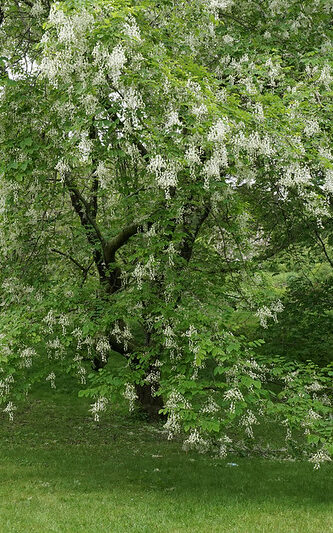
American Yellowwood, Cladrastis kentukea
This deciduous species produces fragrant, white flowers into mid fall along with papery seed pods that persist into winter

Eastern Red-Cedar, Juniperus virginiana
This woody, needle-leaved tree is hardy to the cold and grows blue, berry-like fruits that attract birds and small mammals
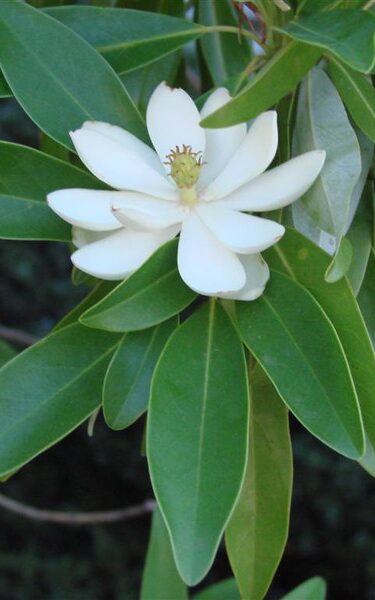
Sweetbay Magnolia, Magnolia virginiana
These late-bloomers produce fragrant, cream-colored flowers that pop between the dark green, waxy leaves and attract various pollinators
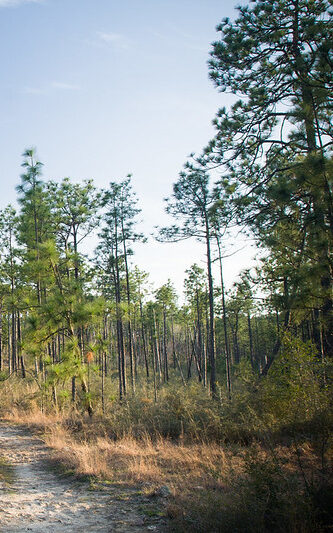
Longleaf Pine, Pinus palustris
These tall, slender evergreens are named for the length of their needles and can be seen swaying with the wind, living for over 300 years
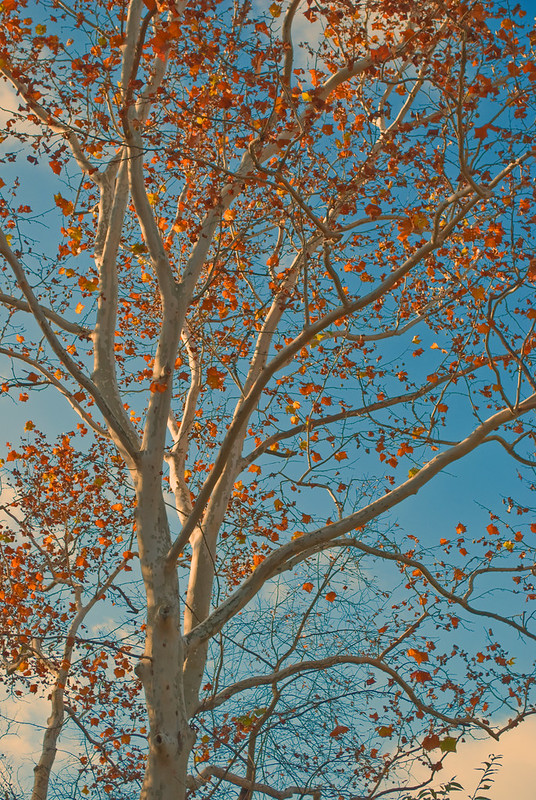
American Sycamore, Platanus occidentalis
These large, golden-leaved trees are favored by pollinators, songbirds, and white-tailed deer, and provide nesting habitat to Bald Eagles and Great Horned Owls
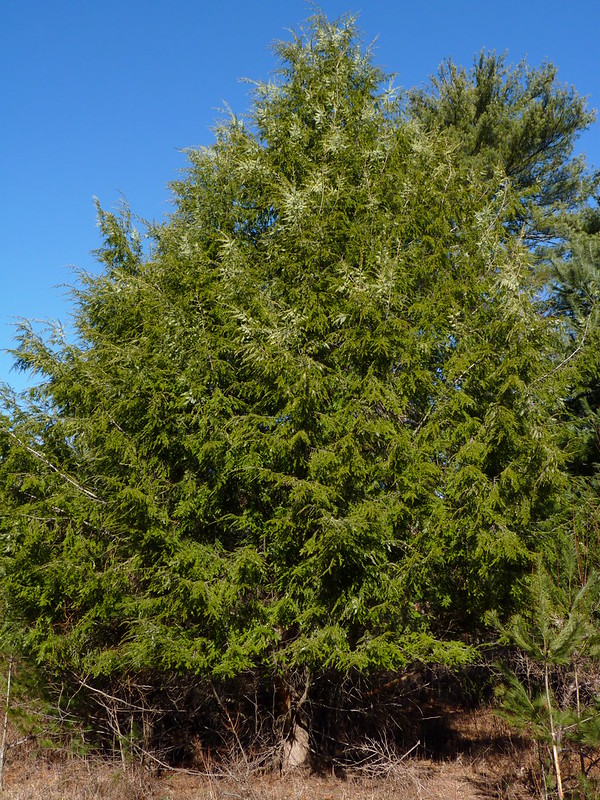
Eastern Hemlock, Tsuga canadensis
These lacy evergreens are attractive all-year round, produce brown, hanging cones, and support birds, browsers, and mammals
Most of the species information is from The Virginia Native Plant Society website, which offers free, extensive pdfs for each region of Virginia, highlighting about 100 native species (there are many more!) and helpful additional information for planning personal projects. If you aren’t from Virginia, you can search for similar resources in your state! To explore other resources and advice, navigate to the guidance page.